

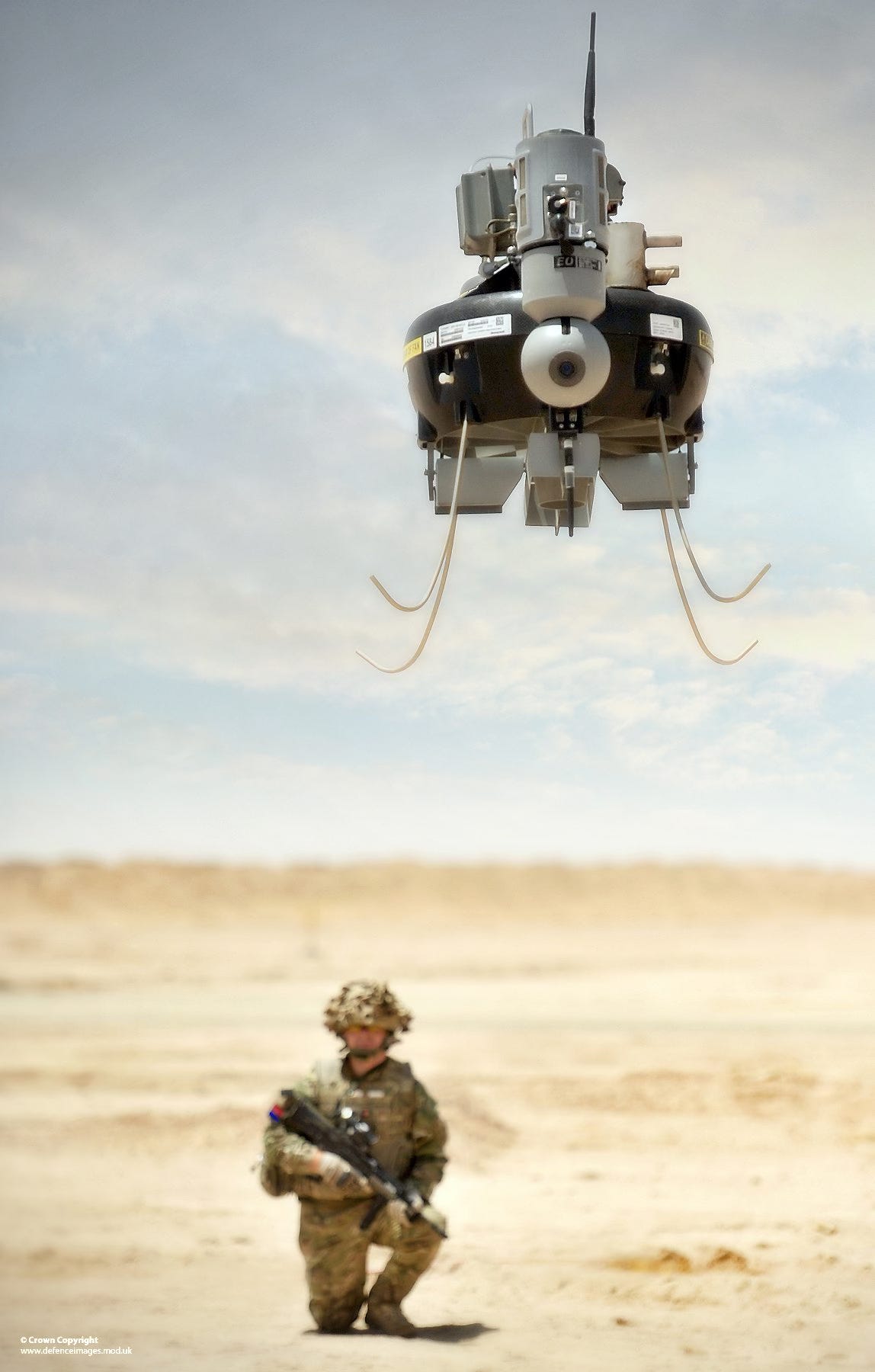
Like many things, Artificial Intelligence can be a blessing, but it could also be a curse. It could be a very bad curse indeed. And one of the places where it could be the worst of curses is on the battlefield.
Artificial intelligence in military operations comes in two kinds. First, there is narrow or specific intelligence—the autonomous ability to identify an instance of a species of target and to track its changes of position. Second, there is broad or general intelligence—the autonomous ability to choose a species of target, identify instances, track their movements, decide when to strike them, learn from errors, and improve initial choices.
These two kinds of artificial intelligence raise ethical questions mainly because of two features: the physical distance they put between the human agents deploying them and their targets, and their ability to act independently of those agents. The main ethical questions these features raise are three. First, how to maintain the traditional martial virtues of fortitude and chivalry while operating lethal weapons at a safe distance? Second, how much autonomy to grant a machine? And third, what risks to take with the possibility of technical error?
II
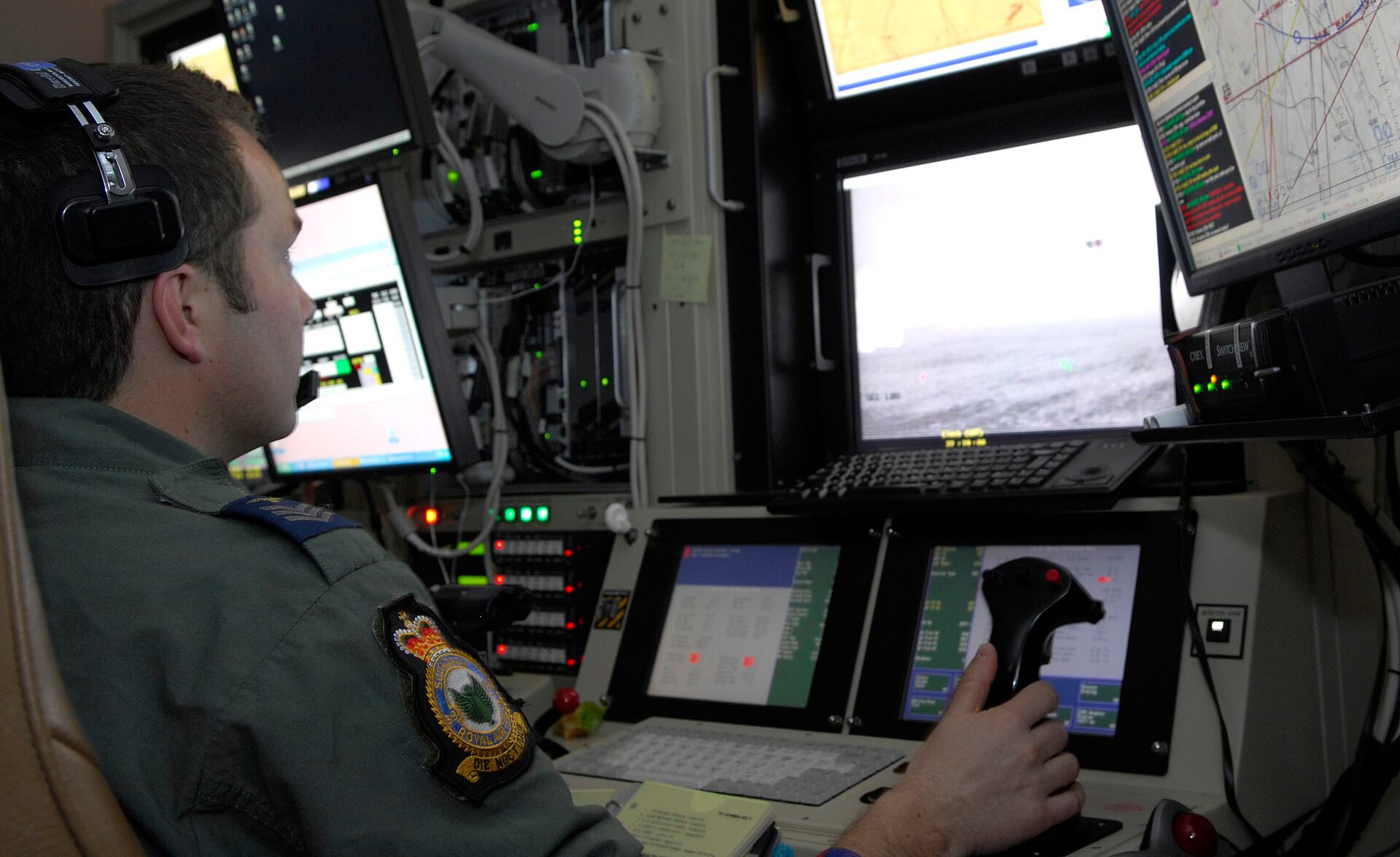
The feature of physical distance between military agent and military effect has given rise to worries about the future of traditional military virtues. Different cultures engender different kinds of military ethos, of course, and different ethē promote different sets of virtues. The military cultures of Jinghis Khan’s Mongols or the SS were not exactly the same as those of medieval Christendom or the British Army in the Second World War. Some virtues are bound by the nature of warfare to feature in all military cultures, most notably, physical courage, honour, and loyalty. (I myself would add a certain kind of callousness.[i]) To these generic military virtues, the specific military ethos of a Christianised culture will add charitable self-restraint and mercy. These Christian virtues are generated partly by a theological anthropology, according to which all humans share the status of sinners in need of divine forgiveness; and partly by a theological soteriology, according to which the punishment of wrongdoing should be in the service, never of the lust for vengeance, but only ever of a desire for ‘reconciliation’ in the form of a just peace. These two theological doctrines issue in the following moral implications: that those who are morally justified in fighting should allow the ultimate end of a just peace to temper their military means; that those who wage unjustified war may not be regarded as simply morally alien; that the intention of just belligerency should not be to rid the world of evil by annihilating the unjust enemy, but rather to stop a particular outbreak of grave wrongdoing by rendering unjust warriors incapable of further fighting; and that there is no good reason to seek to harm non-combatants. These theologically generated moral implications entail that just warriors should cultivate the virtues of self-restraint and mercy in the manner of their use of lethal force.
Some ethicists believe that, by putting a human military operator of, say, a semi-autonomous, armed unmanned aerial vehicle (UAV) or ‘drone’ at a safe arm’s length from the battlefield, artificial intelligence tends to corrode military virtues.[ii] I am not persuaded. It is true that a uniformed agent in Arizona or East Anglia, who is operating a drone in Afghanistan, is completely safe from physical harm and therefore does not have to exercise the courage necessary to overcome the natural fear of such harm. However, that is only because of the happenstance that the enemy in Afghanistan lacks the ability to strike back with long-range missiles. Operating a military drone over Russia would not be quite so safe. Besides, the virtue of physical courage is a typical requisite of front-line combat troops—and of support troops who might find themselves pushed into the front line. It is not typically requisite of those who, though civilian, are nevertheless contributing to the waging of war safely remote from the front line. That is to say, the waging of war involves a spectrum of exposure to physical harm—as it has probably always has done—whereby some war-wagers are safer than others. That is to say, the virtue of physical courage has not been expected of all war-wagers—let us call them ‘warriors’—for a long time, perhaps ever.
Robert Sparrow observes that, while the pilots of UAVs lack the opportunity to exercise and cultivate physical courage, they can still exercise and develop moral courage, whether in deciding to take human life or in refusing to obey what appears to be an illegal or immoral order. And the serious cost of bearing the responsibility for exercising such courage is evident in reports among Predator and Reaper pilots of PTSD. But he worries that this does not distinguish them from ambulance drivers, surgeons, and rescue workers, except insofar as their role involves a deliberate decision to kill. And in that respect, it does not distinguish them at all from armed policemen.[iii] To which my response is, But why should it?
As for the virtue of honour in the general sense of upholding the standards of conduct expected of members of the military profession or unit, Sparrow rightly observes that UAV operators are less likely to be thrown off the moral course by fear of death or injury than combatants.[iv] Sometimes, however, military honour is perceived specifically in terms of chivalry, and chivalry in terms of fairness. Accordingly, it seems dishonourable that a UAV operator should be able to strike the enemy with devastating force, while remaining absolutely immune from retaliation. The gross asymmetry of power seems grotesquely unfair. This is a common perception.[v] But it is a mistaken one. The aim of any belligerency is so to overwhelm the enemy as to disable him from continuing to fight. This is done by applying the greatest possible force against him at his weakest point. Whatever the place of fairness in war, it does not consist of making sure that the enemy is equally well resourced before one engages him. Sparrow is largely correct, therefore, when he writes, “we need to be careful to avoid relying on an argument about chivalry here. War is not a game, and there is no reason that it should be fair”.[vi]
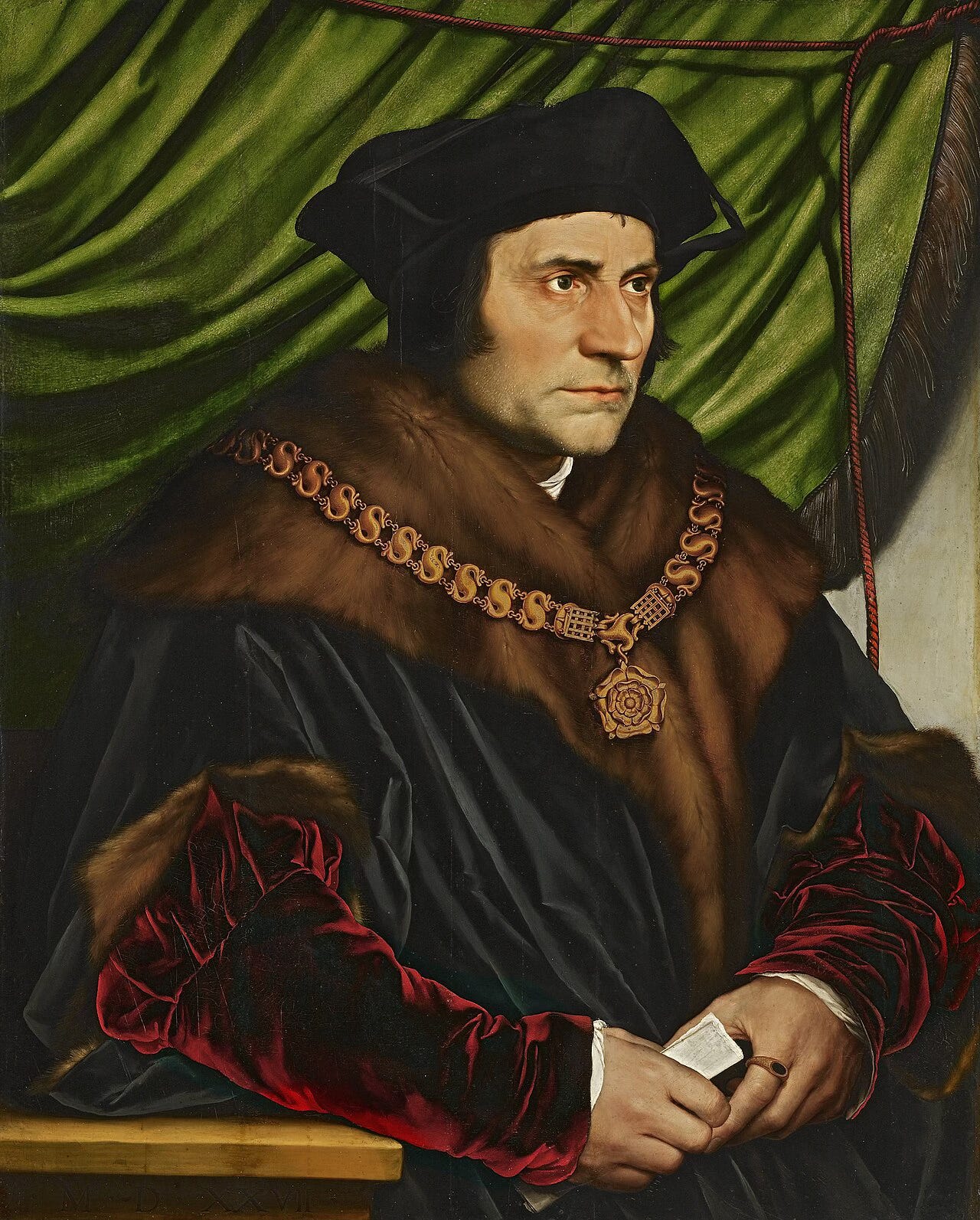
Regarding loyalty, there are different kinds and not all kinds should be expected of all warriors. For a Christian, of course, there can be no such thing as absolute loyalty to any human institution, since the Christian’s primary loyalty must be to God and his moral law, and since human institutions sometimes transgress that law. As Sir Thomas More said on the scaffold moments before he was beheaded, “I die the King’s good servant, and God’s first”.[vii] Members of a combat unit need to be able to depend on their comrades to protect them and aid them in the most threatening and terrifying of circumstances, if they are to be militarily effective. That will require group loyalty of a peculiar intensity. Other warriors will need to show themselves loyal—under God—to a just cause, loyal to the state that fights in a just cause, and loyal to the state institutions and military units that serve that just cause. But they need not cultivate the same kind of loyalty as a combat unit. Again, Sparrow worries that this blurs the line between civilian and military.[viii] But I fail to see why that is a problem.
