

“Of a total of at least 41 million African slaves transported, the British were responsible for just under 8%, whereas Africans and Arabs were responsible for almost 70%.”
The pressure on Britain to pay reparations for the historic enslavement of Africans is mounting. Following the Church of England’s commitment to atone for its sins by diverting £100m of its assets to black-led enterprises, last Saturday the Church of Scotland formally apologised for its part in slavery, resolving to take appropriate penitential action. The previous Monday, the former prime minister of St Vincent and the Grenadines, Ralph Gonsalves, had declared it “inconceivable” that the issue won’t be at the heart of next November’s gathering of Commonwealth leaders in Antigua and Barbuda.
At the last such meeting in October 2024, Keir Starmer and his foreign secretary, David Lammy, struggled to keep the topic off the agenda. In July 2025 Caricom, the Caribbean Community of 20 states, supported Jamaica’s petition to King Charles, urging him to request legal advice from the Judicial Committee of the Privy Council, the final court of appeal, on whether Britain is obliged to provide a remedy for slavery and its enduring consequences.
This year, in February, the African Union adopted a resolution proposed by its champion for reparations and Ghana’s president John Dramani Mahama, which identifies slavery as a crime against humanity. In March, the UN General Assembly passed his resolution describing transatlantic chattel slavery as “the gravest crime against humanity” and calling for reparations as “a concrete step towards remedying historical wrongs”. One hundred and twenty-three states supported it, only three (Argentina, Israel and the US) opposed it, and 52 (including the UK) abstained. Next month Ghana will maintain the momentum by hosting a reparations conference to coordinate the global campaign.
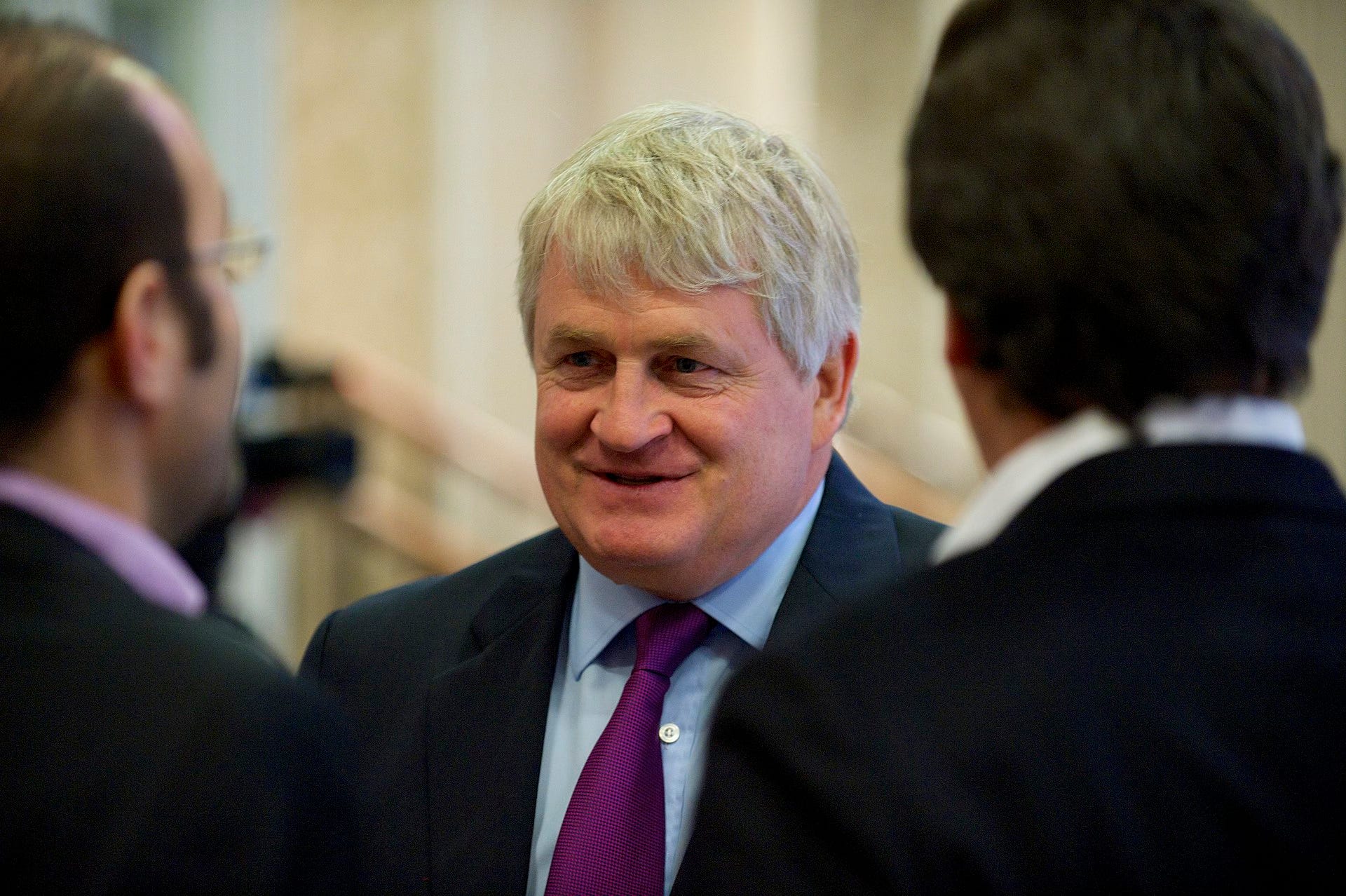
Those pressing Britain from without have allies within. In March 2023, Clive Lewis, MP, supported by Labour colleagues Nadia Whittome and Dawn Butler, called for the UK to enter into “meaningful negotiations” with Caribbean countries about reparations. The following month, Bell Ribeiro-Addy, MP, demanded that then prime minister, Rishi Sunak, apologise “for our country’s role in colonialism and slavery”. And since August 2023 the Irish billionaire Denis O’Brien has been funding a parliamentary lobbying campaign for slavery reparations based in Lewis’s office.
Even Lammy has expressed sympathy. Speaking as a backbench MP in June 2018, he said: “The Caribbean nations have been united in wanting to put the issue of reparations back on the table… It is important that this country hears and listens… Let us consider: what do reparations look like for those Caribbean nations? How do we make that work?” Then, as shadow justice secretary in 2020: “The starting point is truth and reconciliation… we’re no longer in a society where we question notions like white privilege… And then we get to a point where we have to discuss power and reckoning and repairing—and that to some extent is obviously financial.”