

Some years ago in Oxford, I was involved in a panel discussion about empire. At one point, I turned to a female professor of international relations and said, “Earlier, you said one thing. Now you’ve just said another. They’re not consistent”. Waving her hand imperiously, she swept my complaint off the table, exclaiming, “Enough of your donnish, tutorial tactics!”
I was dumbstruck. I felt—and I use the word advisedly—unmanned. Later, when I’d restored my poise and gathered my thoughts, I said to myself, “Are there no rules to this game any longer? And if not, what on earth is the point?” For what had been revealed was that the ’discussion’ was not a searching out of the truth together by common submission to the discipline of logic and evidence. It was merely the occasion for the telling of preferred narratives and for silencing criticism by the insinuation of bad faith. Hence, ‘tactics’.
But my ‘tactics’ were also described as ‘donnish’, connoting old white males wearing tweed jackets and reeking of pipe smoke circa 1950. This suggests that my fellow panellist was also exploiting her political power as a member of a group commonly stereotyped as victims (women) over a member of a group commonly stereotyped as victimisers (men). I was aware that, in response to the dismissal of my criticism, my tongue was tied, partly because the one doing the dismissing was a woman and I was a man. And she knew that, for her choice of words took care to remind me of it. Instead of reasoning with me, she’d leveraged her superior political power.
II
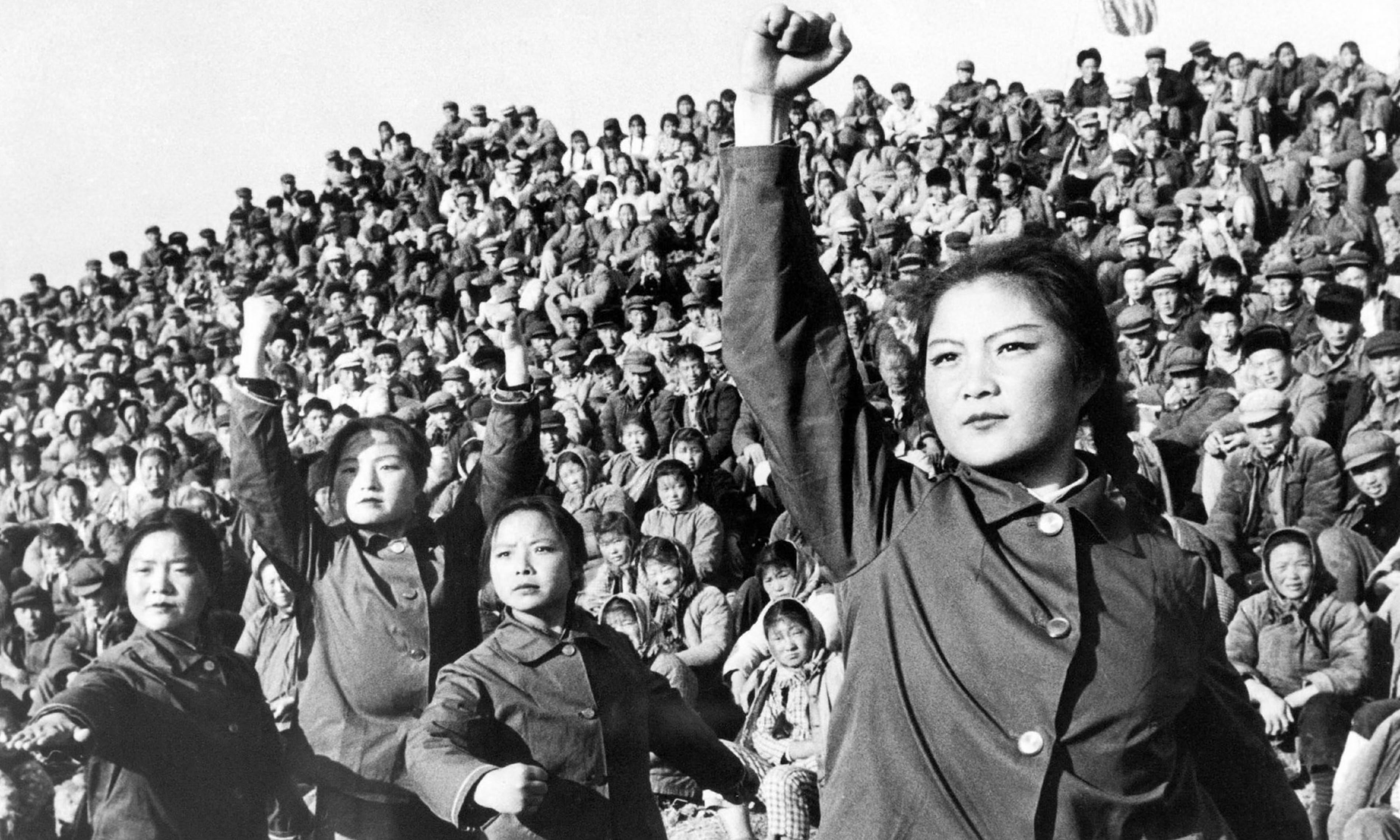
That’s a problem, especially in universities. For if reason and its rules are repudiated, the only way of resolving disagreement is by the imposition of superior power. And that, in my decade-long experience of the Culture War over colonial history, is what the ‘progressive’ zealots do. They shout and scream and smear. They intimidate and silence. They tackle the man, not the ball. They behave like little tyrants, aping the Red Guards in Chairman Mao’s Cultural Revolution.
By why?
One charitable possibility is the idea that the only way to understand a situation of injustice is through the eyes of its victims. Undoubtedly, there’s some truth to this. Often, the perpetrator of a wrong is oblivious to its wrongness, whereas those one who suffer it experience it directly. It makes sense, therefore, to heed their cry and open our eyes to their suffering.
But we oughtn’t do so naively. For, not everyone who claims to be a victim really is one. Sometimes, claimants manufacture grievances for profit or power. Sometimes, they misdiagnose the causes of their misfortune or injustice. So, we shouldn’t assume that an alleged victim is the sole possessor of reason, even while being open to insights they might have.
At least, we shouldn’t assume it, if we care. For those who really care to put injustice right or relieve misfortune, will take care to understand their causes accurately, because otherwise their attempts at remedy will fail. When presented with evidence that their diagnosis is incorrect, they will react with curiosity, albeit with scepticism. Too often, however, the self-appointed ‘progressive’ champions of the oppressed meet doubt and contradiction with knee-jerk dismissal.
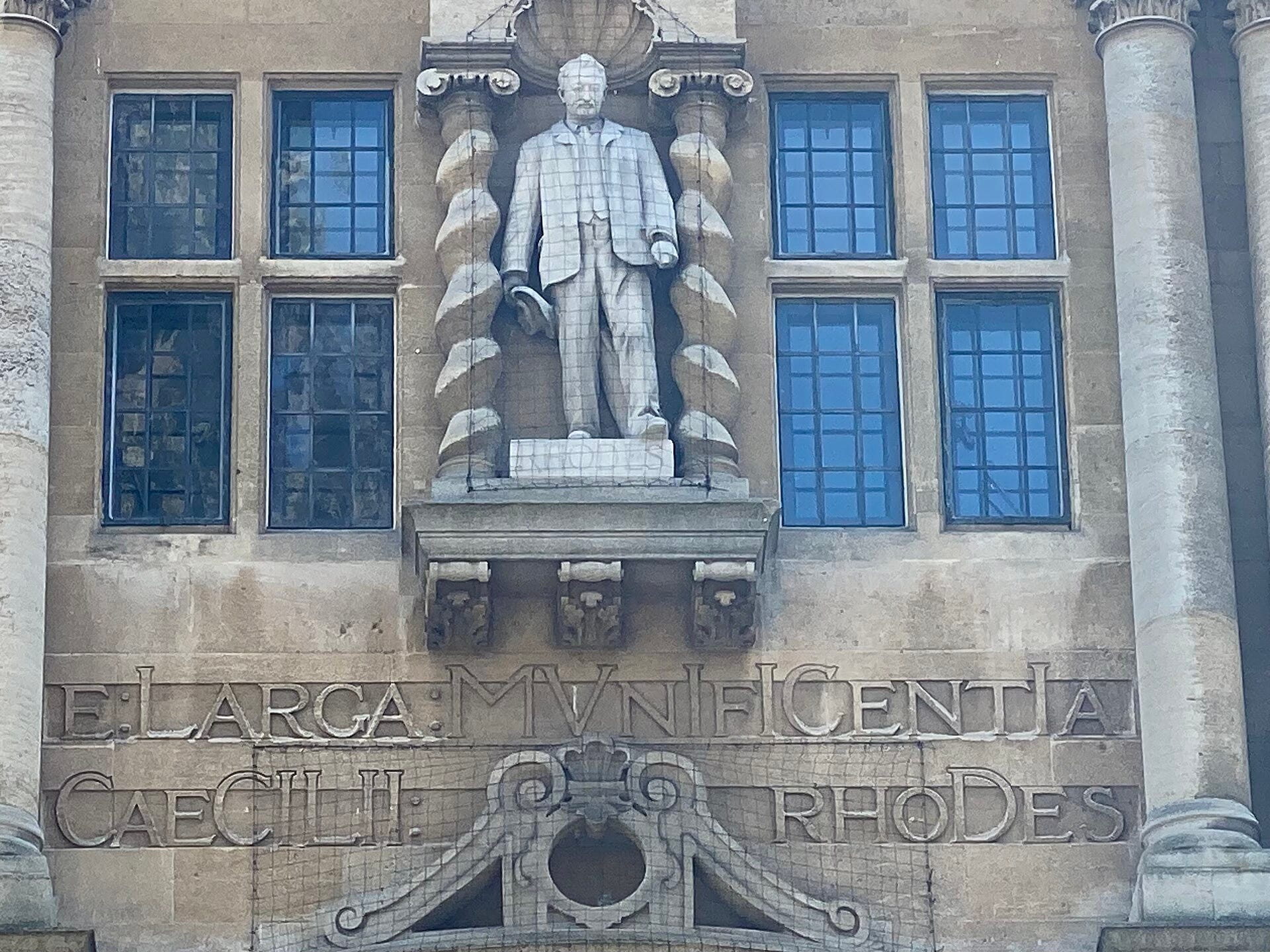
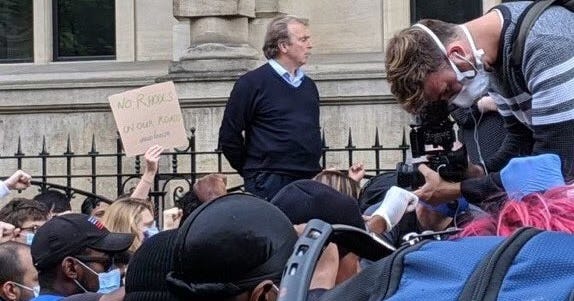
I first noticed this in December 2015, when the Rhodes Must Fall (RMF) agitation began in Oxford. The protests involved several hundred students, mostly overseas postgraduates privileged with scholarships to study at one of the world’s most prestigious universities, who were clamouring for the downfall of an obscure statue of Cecil Rhodes, the British imperialist who had been lying in his south African grave for well over a century. Some were even Rhodes Scholars, cheerfully biting the hand that was feeding them. Their case against Rhodes was that he was racist, had built concentration camps, and perpetrated genocide. In short, he was South Africa’s Hitler.
As it happened, in late 2015 I was half-way through reading Robert Rotberg’s monumental biography of Rhodes, and I knew that what the protesters were claiming was a mishmash of half-truths and falsehoods. So, in March 2016 I published a five-thousand-word correction of the RMF narrative in Standpoint magazine, “Cecil Rhodes and the Abuse of History”.
Did this move the student protesters—and the professional academics who supported them—to pause and engage with me in a rational exchange about the historical truth of their claims? Not at all. On the contrary, six years later, when the killing of George Floyd in Minneapolis and the consequent upsurge of the Black Lives Matter (BLM) movement revived the RMF campaign, the same distorted and false allegations were revived, utterly unchastened.
Clearly, it wasn’t the truth about the colonial past that motivated the RFM protesters. The past was merely a useful resource to pillage for political ammunition. But to what end? Evidently not for addressing South Africa’s present woes. For, while RMF’s co-founder and Rhodes Scholar, Ntokozo Qwabe, was happily protesting in Oxford, back in his home country Jacob Zuma and the African National Congress were busy looting the state, driving South Africa to the verge of insolvency and exposing its people to destitution. About that real-time political scandal and looming human crisis, what did Oxford’s ‘progressive’ warriors for social justice have to say?
Nothing at all.
III
So, what was driving them?