

Last week I found myself in a tussle with an editor. In some recent writing I’d included a sentence that contained the word, ‘Chinamen’. She wanted me to remove it, because, she said, ‘Chinaman’ is widely acknowledged to be a racial slur.
I had chosen to use it, knowing that some people find it offensive. Its appearance in a journal article of mine some years ago had provoked a couple of Asian students to make a complaint. So, I was—I admit—testing the waters here. I had thought they were safe from what I regard as the authoritarian policing of language. Not so, it seemed.
My view is that words have no single, intrinsic meaning. It’s not that they’re empty vessels and have no meaning at all. But, within limits, they can mean various things, and what they mean varies according to context, including tone of voice. Even ‘Yes’ can mean ‘No’. Listen carefully to any well-brought up Englishman.
I accept that ‘Chinaman’, given a certain intonation, can be spoken in a deliberately derogatory way—rather as I learned as a youngster in Scotland to use ‘Sassenach’ to refer to the English. It just means ‘Saxon’ in the Gaelic and when non-Anglophobic Gaelic-speakers want to refer to the people living south of the border, that’s the word they use. But out of an English-speaking Scotsman’s mouth, you can be sure that’s not all it means. Uttered with a certain, semi-spitting vigour, it also means ‘snobbish, morally degenerate wankers’.
So, yes, I accept that ‘Chinaman’ can be used as a slur and that it has been. But there’s nothing necessarily or intrinsically slurry about it. It’s the verbal equivalent of ‘Frenchman’, ‘Dutchman’, and ‘Irishman’. Indeed, in the sentence to which my editor took exception, ‘Chinamen’ appears nine words after ‘Englishmen’.
So, who pronounces it a forbidden word? According to my editor, the Oxford English Dictionary. So that settles it. The authoritative oracle has spoken.
Well, actually, no. Mercifully, the OED has not yet gone to the politically correct dogs. It’s still sensible enough to report the variety of ‘Chinaman’s definitions—including, first of all, the entirely innocent, “A man who is Chinese by descent, birth, or naturalization”. It does go on to add, however, “Frequently disparaging or derogatory (see also John Chinaman n. Johnny Chinaman n.)”.
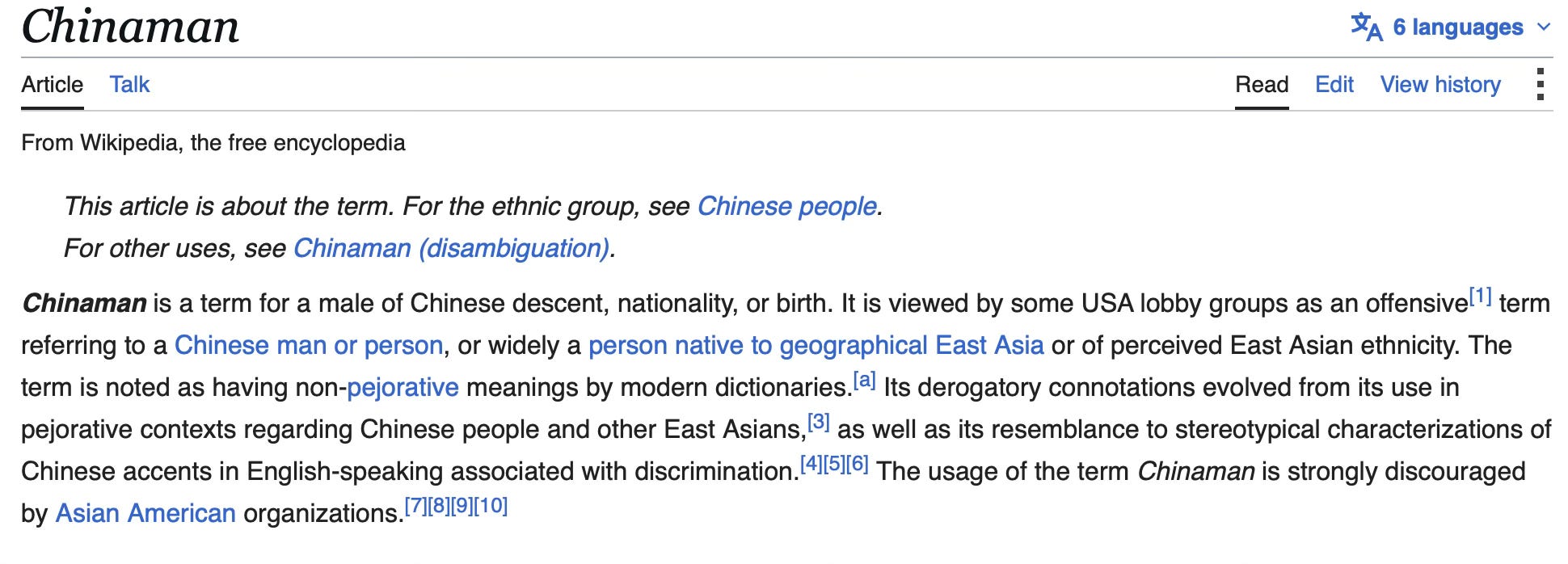
Wikipedia, of course, is less circumspect. It tells us, without qualification, that “Chinaman is an offensive term”. But it also informs us, indicatively, that its usage is “strongly discouraged by Asian American organizations”. What that indicates is that the original energy for the policing of language here comes from certain ethnic minority groups in the US. I suspect that this is true in general: that the movement for linguistic censorship springs from America, perhaps from certain groups of members of ethnic minorities, often from ‘decolonising’ academics who presume to represent them.
These are the kinds of people currently trying to busy-body us into abandoning the word ‘slave’ for ‘enslaved person’, on the entirely spurious ground that the former necessarily dehumanises, implying that someone is a slave by nature. This is nonsense. And we can easily see that by observing that, in English, if we want to refer to the idea that someone is a natural slave, we have to qualify ‘slave’ by putting the word ‘natural’ in front of it. No, ‘slave’ is not intrinsically racist.
Frankly, my contextual view of verbal meaning extends even to the ‘n’ word taboo. Anticipating the dishonest twisting of what I am about to say, let me state clearly and loudly, so that no one in good faith can doubt it, that I object thoroughly to the racist use of the word ‘nigger’ to disparage people with non-white skins. That is always and everywhere morally wrong.
Nonetheless, I was appalled years ago, when I read of a woman high up in some British organisation—a nursing one, I think—being sacked just for referring explicitly to the original title of Agatha Christie’s 1939 detective novel, Ten Little Niggers. And I have read of similar cases more recently. That people should be so punished is stupidly unjust. For, to use the word ‘nigger’ just to refer to what someone else has written or said in no way endorses the racist disdain usually attached to it. That’s obvious—at least to anyone who dares to think.
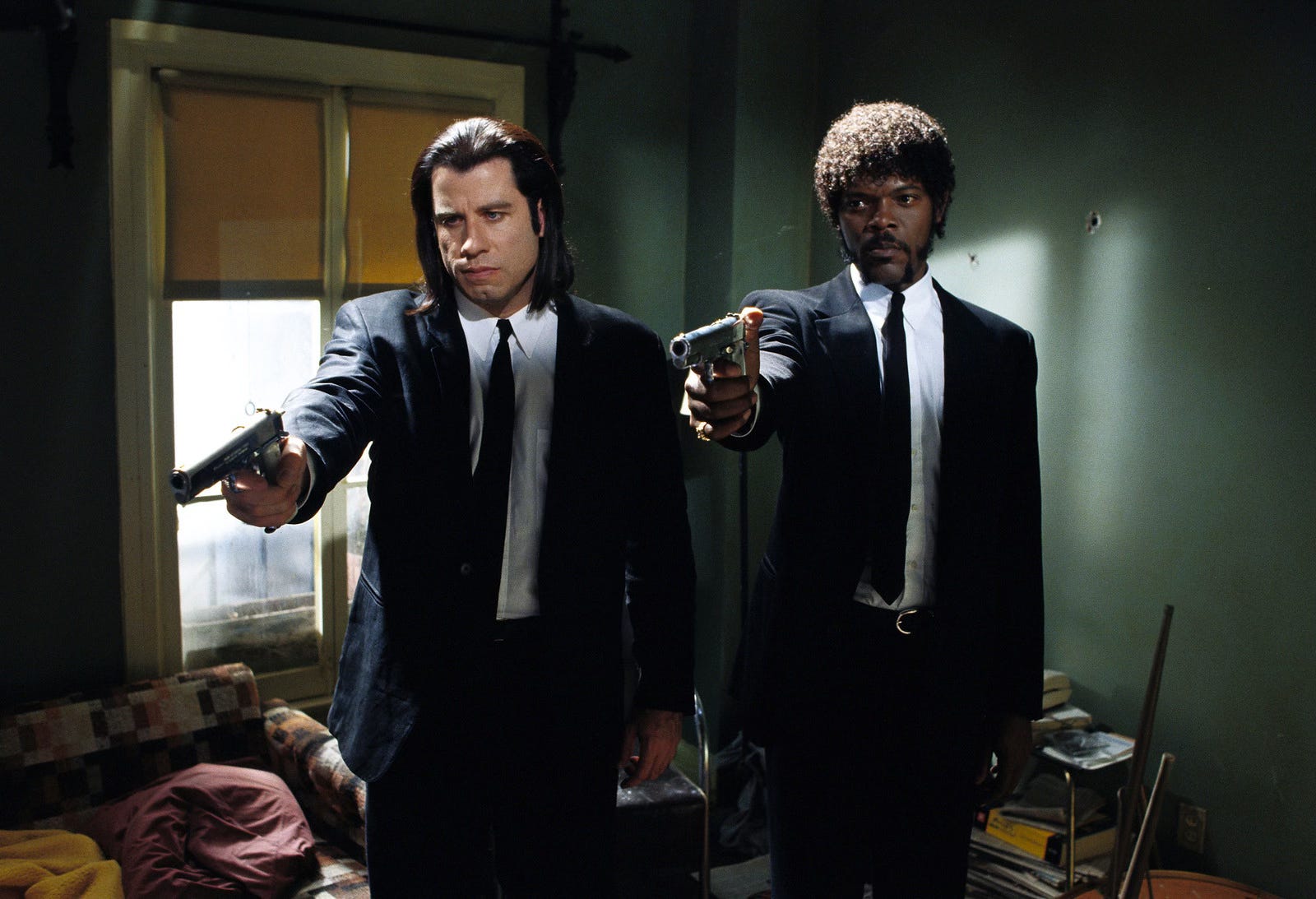
I say ‘usually’, because, according to Quentin Tarantino’s 1994 film, Pulp Fiction, and the excellent 2002 tv series, ‘The Wire’, African Americans often use ‘nigger’ to refer to each other—but in an ironic, not a racist, manner. Therefore, I find it plausible that a white person might even use it in jest when speaking to a very close black friend, without racist contempt being either expressed or perceived. Evidently, Tarantino thought so, too.
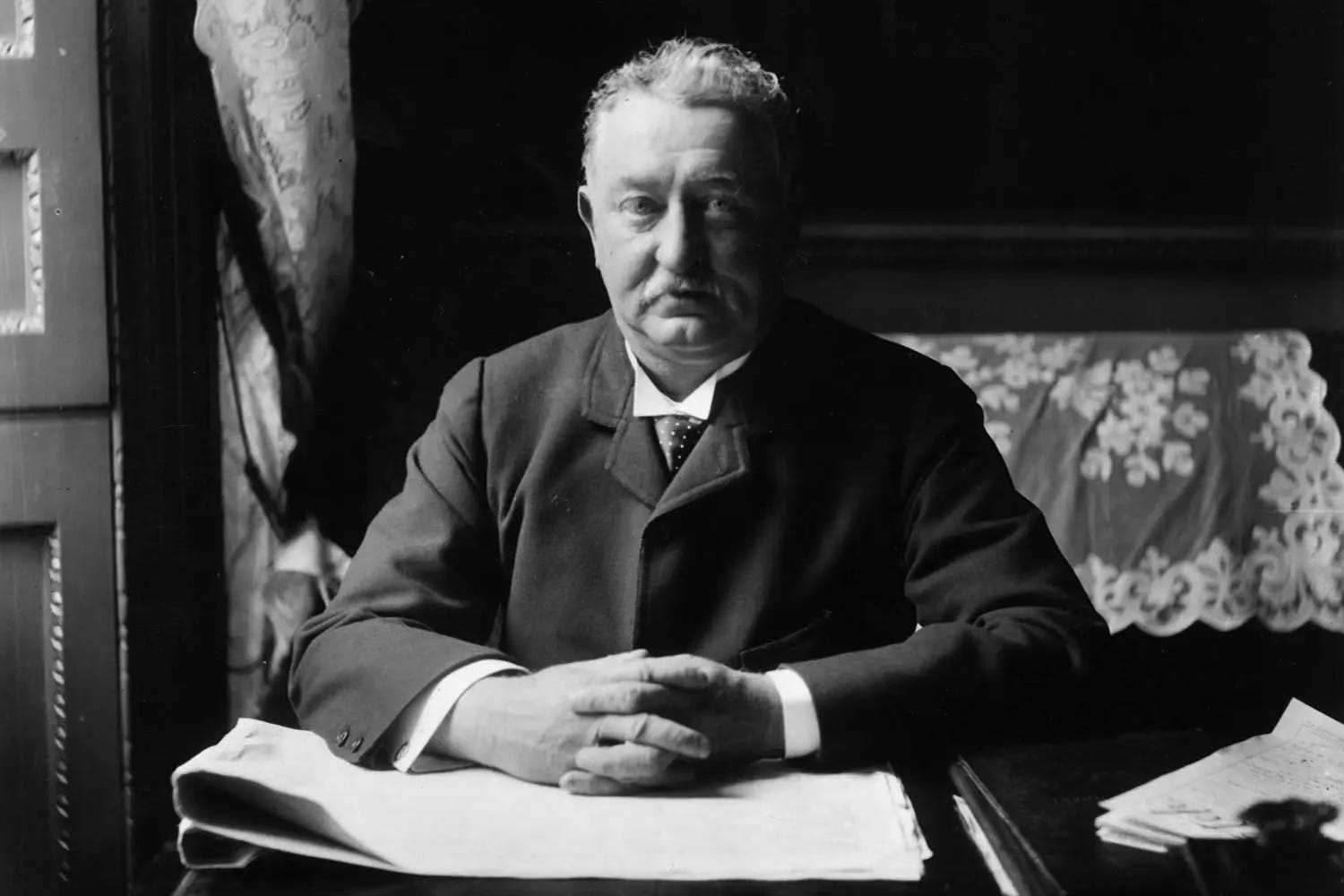
I don’t make these points because I’m keen to revive the use of the word. Not at all. I myself have had cause to use it on only two occasions that I can think of: now, and when reporting in my book, Colonialism: A Moral Reckoning, what Cecil Rhodes is sometimes supposed to have said (but even then, my publisher insisted I disguise it).
No, my concern is that people are being unjustly and gravely penalised through a combination of malice, thoughtlessness, and fear. Some who belong to historically ‘victimised’ groups are eager to exploit the power that membership confers. They’re on the lookout for opportunities to wield that power unscrupulously, by working themselves up into being ‘offended’ and daring others to call them out on it. But the others don’t dare. Terrified of the accusation of lacking compassion or being racist, they can’t afford the luxury of thought. Instead, they uncritically defer to the ‘offended’ party and signal their antiracist credentials by punishing the alleged offender. It’s a morally disgusting dynamic, in which malice triumphs and innocence suffers through the cowardly thoughtlessness of those in authority. And the result? The bullies strut around while everyone else is made to tiptoe on eggshells. Fear dominates the field.
All that was at the back of my mind, when I chose to make a fuss about my use of ‘Chinamen’. In the end, my editor was overruled by her boss, who, with some reservations, said I was free to go ahead and use the word if I wanted to. Upon reflection, however, I satisfied myself that a mellifluent alternative was available. That, together with uneasiness at the thought of making myself look even more cantankerous than usual, by going to war over a word, moved me to drop the controversial noun.
It was probably a wise decision. Yet, part of me is aware that that is how the authoritarian ideologues win. Someone says something they don’t like. They kick up a fuss, attacking the offender as ‘divisive’. Conflict-averse onlookers, wedded to a quiet life, perceive the person upsetting the offended parties as the source of trouble. Unwilling to become a social pariah, the offender then backs down and shuts up. Thus, the air chilled is and tongues are tied. And the illiberal bullies win.
Thanks for this good word…!
I taught my children that ‘There is no such thing as a bad word - just words used badly.’ The inference that they should be careful about the words they use and how they use them was not lost in the admonition.