

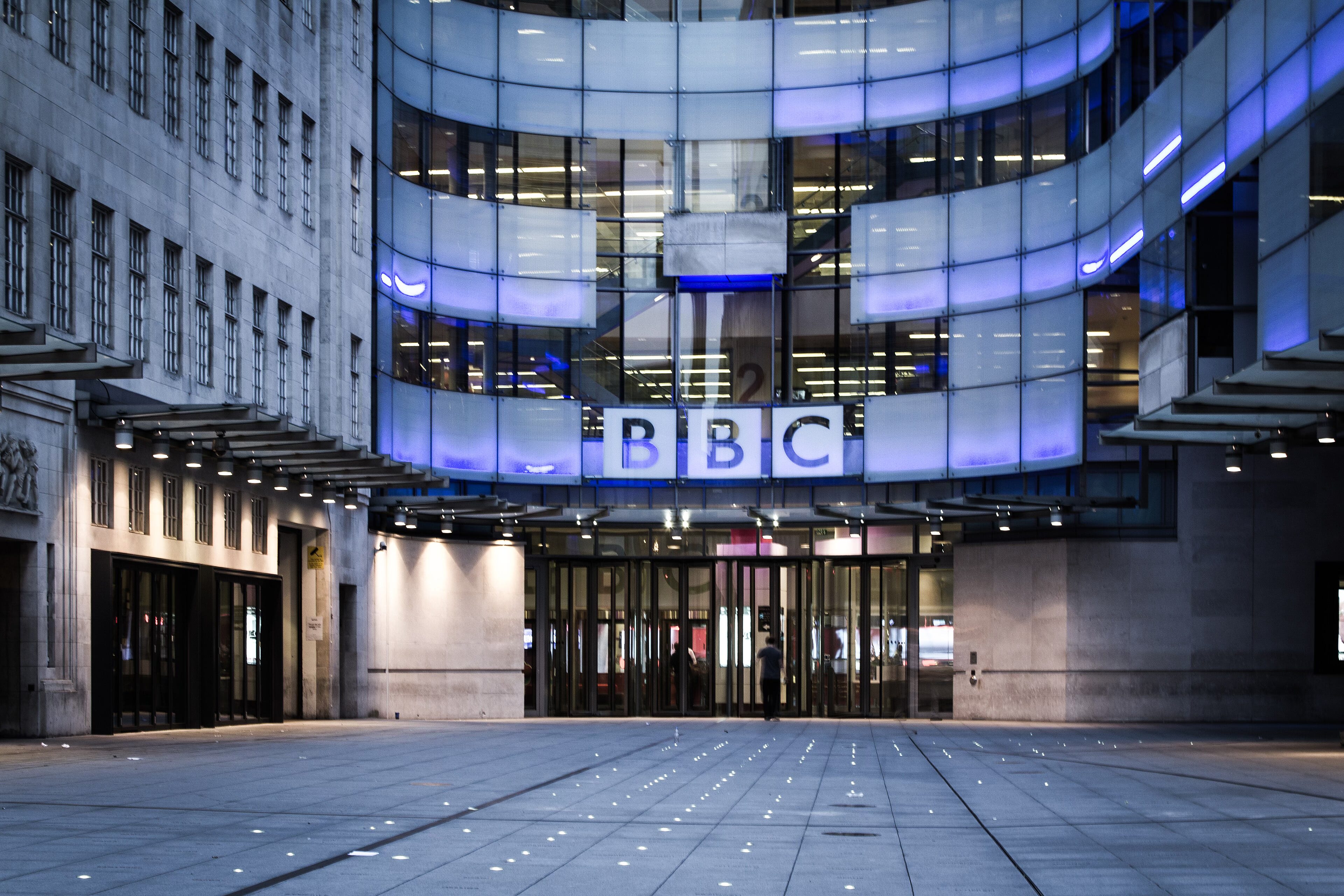
Readers of this substack will remember that, in February, I launched a formal complaint to the BBC about the political bias of David Olusoga’s three-part BBC2 documentary, ‘Empire’. Dissatisfied with the responses to my complaint by the Beeb’s Complaints Team at the first two stages of the process, I escalated it to the third and final one, sending it to the Executive Complaints Unit.
Normally, the BBC promises to respond within 20 working days, but in special cases within 35 days. By Day 42, I had received no response from the ECU to my complaint. So, I escalated it further on 14 July, by diverting it to the media regulator, OfCom. Six days later, I also wrote to Lisa Nandy, MP, the Secretary of State for Culture, Media, and Sport.
I await their responses.

Rt Hon. Lisa Nandy, MP
Secretary of State for Culture, Media and Sport
House of Commons
London, SW1A 0AA
Dear Secretary of State:
The BBC’s complaints system
Aware that you are reviewing the BBC as part of the Royal Charter Review process, I am writing to draw your attention to a serious flaw in the Corporation’s complaints system.
In January of this year, I submitted a formal complaint to the BBC, in which I claimed that the political bias of BBC 2’s three-part series, “Empire”, which had been broadcast the previous November, violated the Corporation’s own Editorial Guidelines.
Unsatisfied with the response from the BBC’s Complaints Team, I escalated my complaint from State 1a to Stage 1b. The response to that was so careless that I then escalated it to the final stage, submitting it to the Executive Complaints Unit.
The ECU normally aims to make a response within 20 working days, and in exceptional cases 35 days. Not having received a response within 42 working days, I escalated my complaint last week to the Office of Communications.
Of course, I do not intend to bother you with the details of my complaint.
However, I do want to report to you that the nature of the responses I have received from the BBC’s Complaints Team have persuaded me that it regards its role as that of defending the BBC against complaints, come what may, not arbitrating impartially between complainants and the Corporation. I think that that is a huge strategic error.
I value the BBC and I want to see it thrive. It is a major engine of Britain’s soft, cultural power. And when it performs its public service duty and gives a fair hearing to all points of view on controversial matters, it plays a vital role in educating the British public politically and in helping to limit our political polarisation.
However, if it is going to perform its duty to give a fair hearing to all the public, and if it is thereby going to retain broad public confidence, it is absolutely vital that it is seen to deal with complaints of political bias with scrupulous impartiality. This, in my experience, it is failing to do.
Therefore, I urge you to examine the BBC’s complaints system and reform it, so that it is sufficiently independent to deal with complaints impartially. For only then, in my view, will the Corporation become able to be genuinely responsive, to learn from what in-good-faith critics report to it, and to command the widespread public confidence it needs.
If I can help you any further in this matter, I should be glad to do so.
Yours sincerely,

Professor Nigel Biggar, CBE, the Lord Biggar
Please hang in there Nigel. We need senior voices like yours to help protect the less vocal and visible ones like so many of your keen followers to which I count myself.
Unfortunately the Government hates everything you stand for. But KBO. Surely, right will prevail eventually.